


Guide To 40 Ft Container Price: The Intermediate Guide To 40 Ft Contai…
페이지 정보

본문
Understanding the Pricing of a 40 Ft Container: A Comprehensive Guide
On the planet of shipping and logistics, containers play a vital function in carrying goods around the world. Amongst them, the 40 ft container, with its significant capacity and flexibility, sticks out as one of the most frequently utilized containers in international trade. This article aims to look into the aspects affecting the cost of a 40 Ft Shipping Container Purchase ft container, a comparative analysis of costs, and regularly asked concerns connected to container rates.
What is a 40 Ft Container?
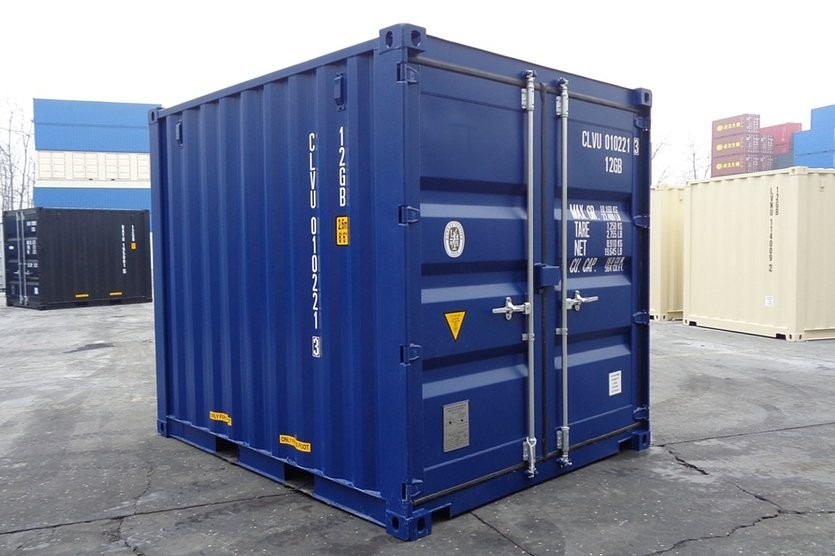
A 40 ft container, likewise described as a 40 Ft Container Price-foot shipping container, is developed to hold a substantial amount of cargo. Here are some core requirements of a basic 40 ft container:
| Specification | Details |
|---|---|
| Length | 40 feet (12.19 meters) |
| Width | 8 feet (2.44 meters) |
| Height | 8.5 feet (2.59 meters) |
| Maximum Payload | Around 26,500 kg (58,000 pounds) |
| Internal Volume | 2,390 cubic feet (67.9 cubic meters) |
These specifications make the 40 ft container perfect for both small and big businesses seeking to transfer goods effectively.
Price Ranges of 40 Ft Containers
The price of a 40 ft container can vary substantially based on a number of factors. Below is a breakdown of the typical expenses depending on the type, condition, and market trends.
| Container Type | Average Price Range |
|---|---|
| New Standard | ₤ 3,000 - ₤ 6,000 |
| Utilized Standard | ₤ 1,500 - ₤ 3,500 |
| New High Cube | ₤ 4,000 - ₤ 7,500 |
| Utilized High Cube | ₤ 2,000 - ₤ 4,500 |
Elements Influencing the Cost of a 40 Ft Container
Container Type:
- Standard Containers: These are the most common and usually less pricey.
- High Cube Containers: These supply extra vertical space and are typically priced greater.
Condition of the Container:
- New vs. Used: New containers include a premium cost, while utilized containers can be far more affordable.
Market Demand:
- Prices can vary based on worldwide trade demands. Unanticipated economic shifts can cause unexpected boosts in container rates.
Place:
- Prices can vary by area due to local demand and supply. For instance, containers may be cheaper in significant ports compared to inland places.
Extra Features:
- Containers with special features such as refrigeration (reefers) or adjustments (windows, doors) may come at a premium.
Shipping and Handling:
- The total cost of acquiring a container likewise consists of transporting it to the desired place, which can add to the final price.
Contrast of New vs. Used Containers
Picking between a new and a used container can significantly affect your budget. Below is a comparative list of pros and cons for both choices.
New Containers
Pros:
- Guaranteed structural integrity and quality.
- Frequently come with manufacturer guarantees.
- Less threat of requiring repairs or modifications.
Cons:
- Higher cost.
- Minimal availability in specific types or sizes.
Utilized Containers
Pros:
- More affordable cost points.
- Variety of choices and accessibility.
Cons:
- Potential concerns with wear and tear.
- May require repairs or retrofitting.
Where to Buy a 40 Ft Container
Buying a shipping container can be done through various channels. Here are some sources where buyers can discover 40 ft containers:
Shipping Container Dealers: Specialized dealerships frequently provide a variety of brand-new and used containers with service warranties.
Online Marketplaces: Websites like eBay, Craigslist, and ContainerAuction provide listings from different sellers, providing buyers a wide variety of choices.
Shipping Companies: Many shipping companies offer their older containers straight to consumers.
Local Container Yards: These facilities often have a choice of containers offered for immediate sale.
Frequently asked question about 40 Ft Container Prices
1. What is the average life-span of a shipping container?
On average, a well-maintained shipping container can last between 10 to 25 years, depending on its usage and maintenance.
2. Can I fund a shipping container?
Yes, several financial organizations use funding alternatives for acquiring shipping containers, permitting businesses to manage expenses in time.
3. Exist any surprise costs connected with purchasing a container?
Yes, possible covert expenses include shipping, taxes, and any required adjustments or repairs after Purchase Affordable 40 Ft Shipping Container.
4. Can I lease a 40 ft container instead of buying one?
Yes, numerous business provide container rental services, which can be a cost-efficient service for momentary storage needs.
5. How do I know if a used container remains in great condition?
It is recommended to inspect the container physically, or if that's not possible, request photos and detailed descriptions from the seller.
Comprehending the rate and elements affecting the expense of a Buy 40 Ft Sea Container ft container is necessary for companies and individuals aiming to purchase shipping containers. By considering the different options offered and weighing the advantages and disadvantages, buyers can make educated choices that finest suit their shipping needs. Whether purchasing new or used, awareness of market conditions and potential extra expenses will assist make sure a successful container acquisition procedure.
- 이전글How Patina Creates Unmatched Value in Classic Timepieces 26.04.04
- 다음글The Most Significant Issue With Shipping Container Modification, And How You Can Fix It 26.04.04
댓글목록
등록된 댓글이 없습니다.